03 Manglien S. Gangte

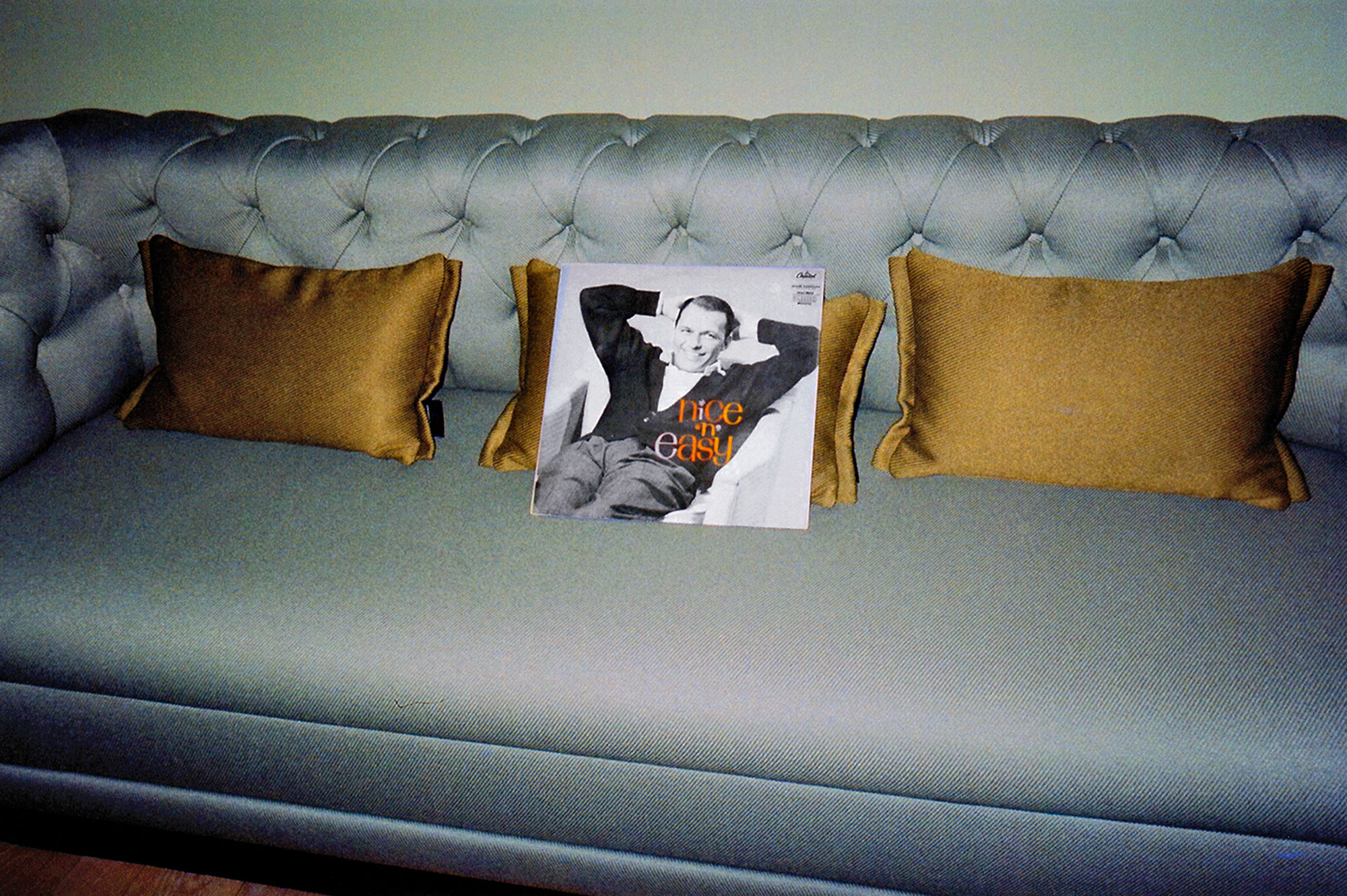
a fashion spread that looks more like a high concept photo book, grainy pictures here, blown out lighting photos there, few images allow the close inspection of the craftsmanship of garments, meant mostly to evoke a feeling of the ancestors in the present day…

Did you miss me while you were looking for yourself out there?

Photography and styling by Manglien Ganté

08 Halide Photo App and iPhone 12 Pro Max

an article by Sebastiaan de With on the capabilities of the 12 Pro Max…

07 iPhone 12 Pro Max

… as i said earlier, i have purchased an iPhone 12 Pro Max… this is a photography purchase, a movement in the direction of iPhone only photography… i look up and read about its capabilities

… i wonder what i will do with those capabilities, have i arrived at the place where my Nikon sits on the shelf most of the time?… could be… but, how will it change/enhance my photo practice?… here is what i imagine… it will further solidify my “notes on attention paid” direction, a photographic and written journal on what catches my attention… it will make that practice refined and seamless… i will be able to photograph my nice’s wedding in September with much more pleasing results… i will be able to leave my Nikon behind most of the time…

06 Rhiannon Adam, Polaroids and NFT’s

Bangkok. 2012 (remixed 2021) - Developing Polaroid © Rhiannon Adam.

an article in the British Journal of Photography about Rhiannon Adam

… the artist mixes polaroids with NFT’s (non fungible tokens)… in the above example, a succession of images of a developing polaroid, made of a polaroid… NFT’s intrigue me, the idea that royalties can be built into the artwork, which when transmitted to a new owner, are paid to the artist… blockchain can do that…

05 Fotoclubismo

Thomaz Farkas, Ministry of Education (Ministério da Educação) Rio de Janeiro, ca. 1945, gelatin silver print, 12 7/8 × 11 3/4″. The Museum of Modern Art, New York. Gift of the artist.

another article, this time in Paris Review, on Fotoclubismo, a group of amateur photographers based in Sao Palo… certainly an exhibit i would like to see…

02 Mike Brodie

a series of photographs on train hopping/homeless culture… it’s not pretty, each photograph assigned a number, no person is identified, almost all the photographs are people, the photographer travels with them, photographs them… hopping trains sounds romantic, looks anything but… a young woman, lying down, legs spread, menstrual blood showing on white panties, she has pulled a skirt up to give the photographer this view… she holds a paperback book, 3 By Flannery O’Connor, this suggests she is intelligent… the same young woman appears in several photographs… this is one of them…

1027, Photography by Mike Brodie, Taken from the series A Period of Juvenile Prosperity

… the title, Mike Brodie’s Pictures of the Fascinating, Fleeting Train Rider Subculture, seems misleading… there is a lot of squaller, many people in the series we feel sorry for…

02 Peter Lindbergh

… this photograph of Tina turner and Azzedine Alaia in 1989…

Azzedine Alaïa & Tina Turner, Paris, 1989. © Peter Lindbergh (courtesy Peter Lindbergh Foundation, Paris)

… wow!…

06 Carl Corey

… nice article in Lenscratch on this Guggenheim Fellow photographer… many amazing images, this is one of my favorites…

©Carl Corey, 8922 • Sault St. Marie, Michigan

… many more in the article…

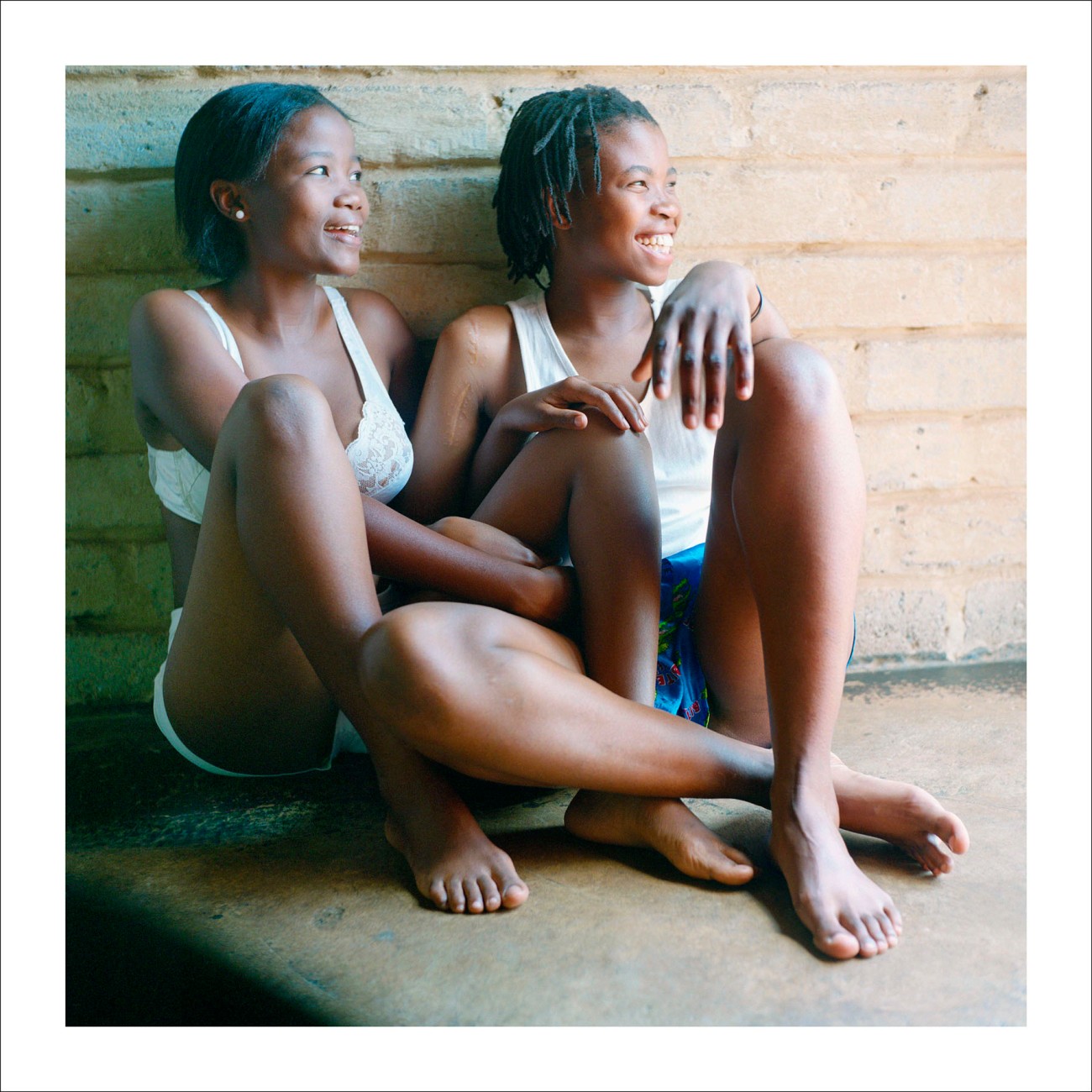
05 Zanele Muholi

… an article by Art Blart about the Tate Modern exhibition of her work… i don’t know if the exhibit is still up, but if it were and if i were in London, i would go see it…

There are so many words that you can say about an artist and their work. So many unnecessary words. All you have to do is look at the work. Does it speak to you? does it make you feel, does it empower you?

For me, artists either have it or they don’t… and in this case, visual activist Zanele Muholi possesses it by the bucketful. Panache, flair, downright unclassified fabulousness, call it what you want. They just have it.1

Zanele Muholi (South African, b. 1972). Katlego Mashiloane and Nosipho Lavuta, Ext. 2, Lakeside, Johannesburg 2007. From the series Being (2006 – ongoing).


  1. Art Blart: https://artblart.com/2021/05/22/exhibition-zanele-muholi-at-tate-modern-london/ ↩︎

05 Hannah Beth Taylor, “emerging photographer”

… as in, we haven’t seen from her before… this work is up my alley, no people, just the evidence of people, lots of landscapes scarred by the activities of people… i am not really inspired, but one image is significant to me…

Hannah Taylor

… i have a thing about Christian cross symbolism and utility wires… my images are not about actual Christian crosses in the landscape, but utility poles, which often mimic Christian crosses, and the wires they carry, which bring power and communication to the masses… there is something for me about the connection of communication and symbols of Christianity… haven’t totally put my finger on it, but i collect images that think about it…

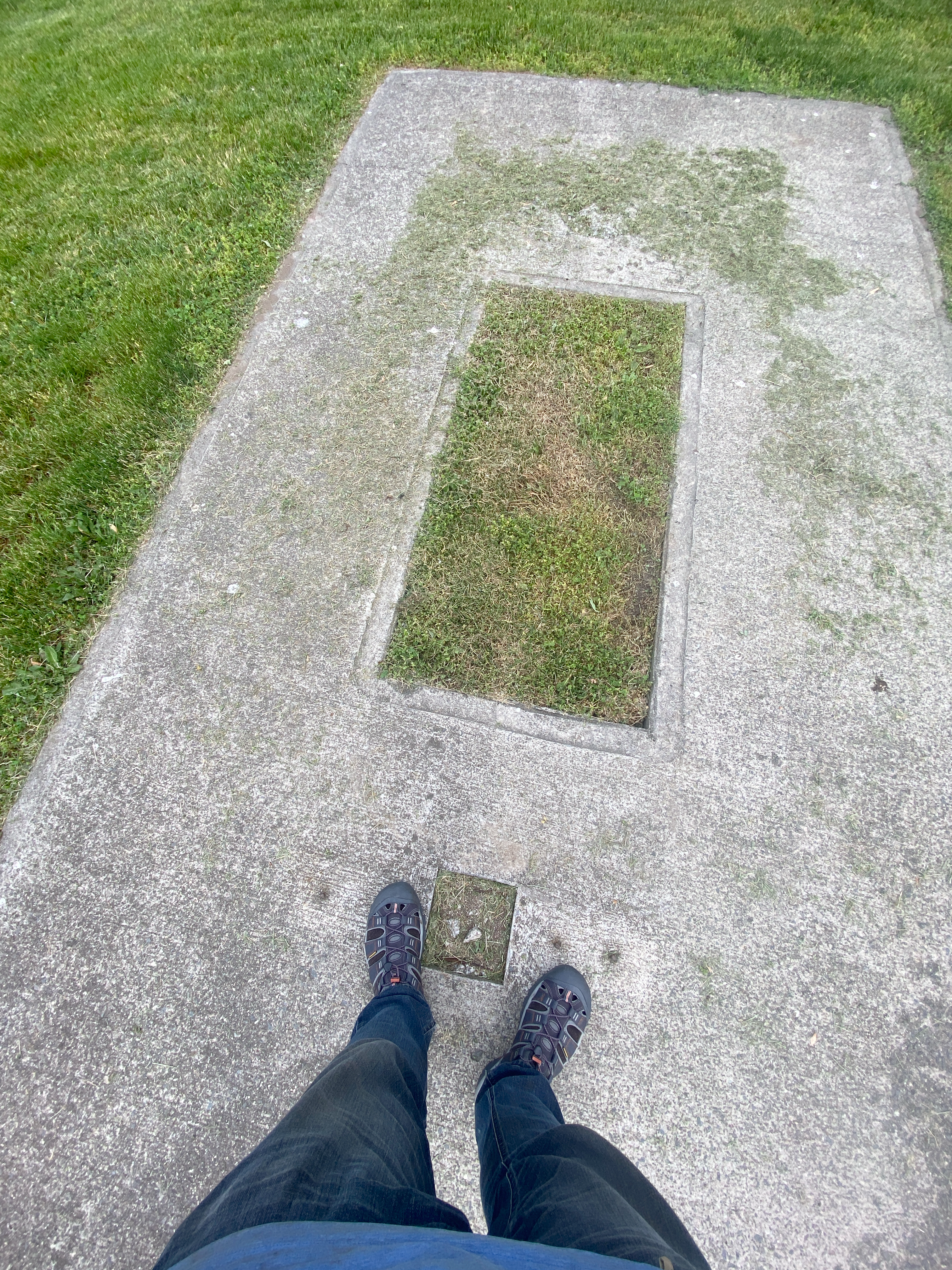
09 Walking

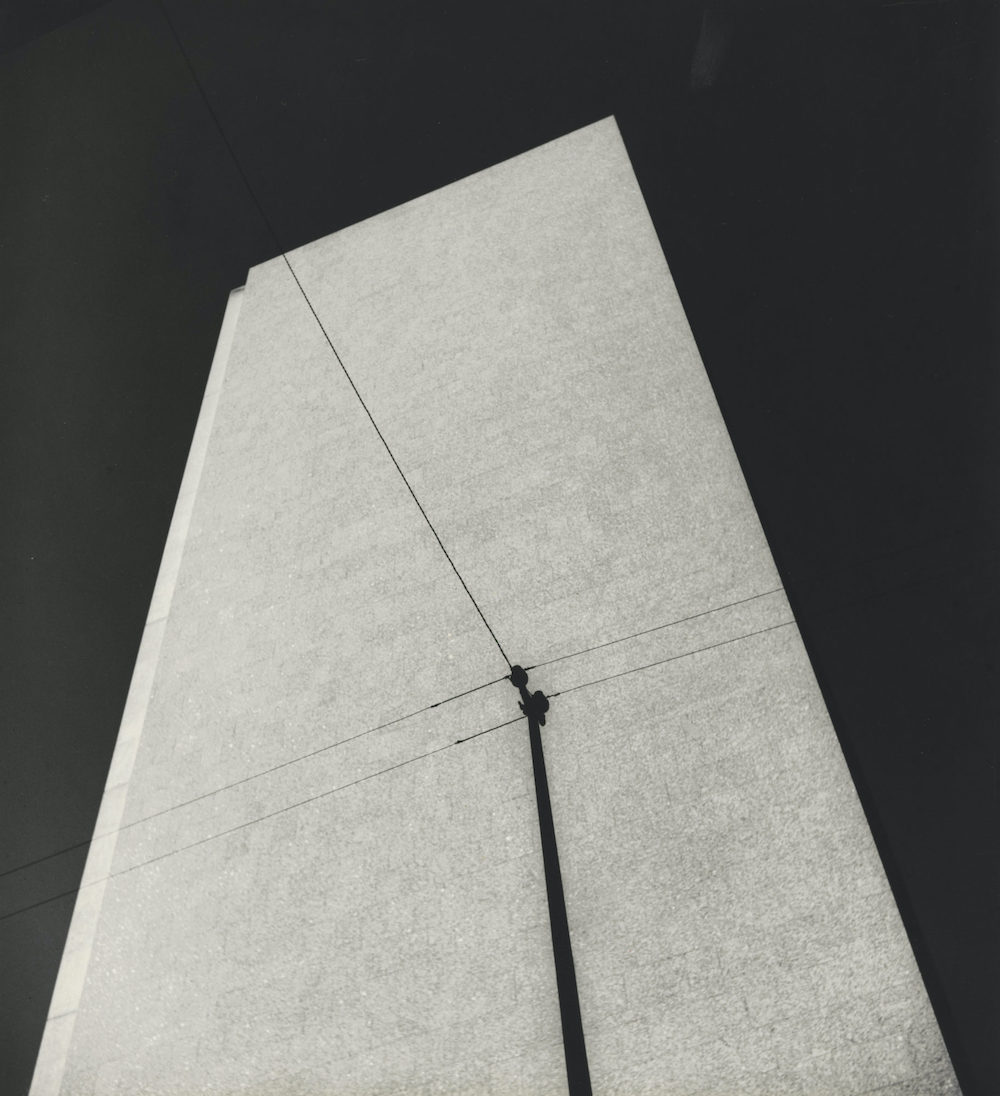
08 Keld Helmer-Petersen

Brad Feuerhelm tells us he is a pioneer in the use of color photography, not completely groundbreaking, but with significant accomplishments…

Being first or the most original is not everything. I can say with 100% conviction that though Helmer-Petersen may not have been the first artist to invoke a particular affinity to konkrete Photographie, Deformations (After Penn) geometric abstraction, or silhouetting as found in many of his sub-interests, I can say that his execution of these subjects was masterful.1

… this need to break new ground, to be masterfully breaking new ground, what is it?… isn’t it enough to be a master of the ground you stand on?…

… these sentences catch my attention…

Largely due to the lack of economy afforded to artists working in photography at the time, unpaid work could largely be de-manacled from its relationship to the market. As the market would not develop in American until the late 1970s, this allowed artist working with the medium in the first half of the twentieth century a freedom to create bodies of work which existed independently from one another. The artists were not expected to form a career from highly stylized and easily recognizable features thus making experimentation a pursuit that would be rewarded with approval from one’s colleagues over the pressures of the gallery to perform sequential hits. The downside of course is that one’s life in photography may continue on forever unobserved outside of intimate circles.2


  1. Brad Feuerhelm: https://americansuburbx.com/2021/05/keld-helmer-petersen-photographs-1941-2013.html ↩︎

  2. Ibid. ↩︎

07 Outsider Camera Art

Elisabeth Van Vyve, Untitled, 1993–2013

© Clément Van Vyve/Collection Bruno Decharme

Photo Brut: Collection Bruno Decharme & Compagnie at the American Museum of Folk Art, New York City

_The artist I kept returning to in the show, time and again, is its most spartan and tranquil, an outlier in an assembly of often cacophonous outliers. Elisabeth Van Vyve, a woman with autism and hearing problems who now lives in a retirement home in Antwerp, has used disposable color-film cameras for decades to catalogue her circumscribed visual environment in obsessive detail, creating albums of thousands of snapshots that inevitably evoke the postmodern banal-sublime of William Eggleston, Stephen Shore, and early Fischli & Weiss.1


  1. Randy Kennedy: https://aperture.org/editorial/self-taught-photographers-in-pursuit-of-revelation/ ↩︎

04 Regarding the Pain of Others, Chapter 5, Susan Sontag

… Sontag sums up the chapter by reminding us the presentation of history is selective… we have reached a moment in which a large number of our citizens are ready to look at the horrors of slavery and its aftermath, but what about the many other atrocities committed in our name by our government?…

A museum devoted to the history of America’s wars that included the vicious war the United States fought against guerrillas in the Philippines from 1899 to 1902 (expertly excoriated by Mark Twain), and that fairly presented the arguments for and against using the atomic bomb in 1945 on the Japanese cities, with photographic evidence that showed what those weapons did, would be regarded—now more than ever—as a most unpatriotic endeavor.1


  1. Sontag, Susan. Regarding the Pain of Others (p. 94). Farrar, Straus and Giroux. Kindle Edition. ↩︎

03 Regarding the Pain of Others, Chapter 5, Susan Sontag

… Sontag talks about the “usefulness” of images of atrocities exhibited long after the atrocious can be punished for being atrocious… the example is a set of photographs of lynchings in the south, taken as souvenirs… why show them in the year 2000 when they were made 1890-1930?… what are we supposed to do with the information, with the consciousness they raise?…

The pictures were taken as souvenirs and made, some of them, into postcards; more than a few show grinning spectators, good churchgoing citizens as most of them had to be, posing for a camera with the backdrop of a naked, charred, mutilated body hanging from a tree. The display of these pictures makes us spectators, too.1

… will black and brown people be treated better now because we see these images now?, will we recognize just what brutes we are?, i am guessing that most who saw the exhibit or the book, Without Sanctuary, think of themselves as brutes, yet…

It was further argued that submitting to the ordeal should help us understand such atrocities not as the acts of “barbarians” but as the reflection of a belief system, racism, that by defining one people as less human than another legitimates torture and murder. But maybe they were barbarians. Maybe this is what most barbarians look like. (They look like everybody else.)2

… this is what gives me pause at our present moment in history, brutes are on the move, and they are us…


  1. Sontag, Susan. Regarding the Pain of Others (p. 91). Farrar, Straus and Giroux. Kindle Edition. ↩︎

  2. ↩︎

02 Regarding the Pain of Others, Chapter 5, Susan Sontag

… Sontag talking about the limited ability of a photograph to tell a story, to deliver understanding… they can shock, they can be pivotal moments for public opinion, but they don’t say much about the moments leading up to the moment in question… they define, but don’t explain… words, she tells us, explain…

09 Notes on (photographic) attention paid, May 2021

… turning attention to my own work, i am in the process of reorganizing my creative productive stream, this new blog is part of that effort, i have decided to separate what i write about from what i photograph so that one site is about my photography and the other site is about everything else… the image above is one image from attention paid in May… check out more here… more added to the end of the month… here is another…

… and…

… and…

… and…

… and…

07 Personal and Political by Elin Spring

_“The personal is political” was the slogan of second wave feminism. In this deftly interwoven exhibit, curator Karen Haas features photographers working 1965-1985 from Canada to Latin America in a demonstration of how women’s personal lives were inextricably linked to cultural and political inequalities. The provocations and inspirations of the Civil and Equal Rights movements share many qualities with our current #MeToo and #BlackLivesMatter movements. “Personal and Political” sheds light on a vibrant historical narrative, offering a perspective that brings our own times into sharper focus.1

this article reviews an exhibit at The Museum of Fine Art, Boston, featuring women photographers active during the years 1965-1985… i would definitely go see the exhibition if i were in Boston, even if women in photography weren’t my personal rabbit hole… some great images in the show, here are a couple…

“Patti Smith, New Orleans” Annie Leibovitz (American, born in 1949) 1978. Photograph, chromogenic print Gift of Jan Colombi and Jay Reeg Courtesy Museum of Fine Arts, Boston.

“Bathroom Surveillance, or Vanity Eye” Martha Rosler (American, born in 1943) 1966–1972. Photograph, inkjet print (photomontage)

Museum purchase with funds donated by Scott Offen Courtesy Museum of Fine Arts, Boston.


  1. Elin Spring: https://www.whatwillyouremember.com/personal-and-political-women-photographers-1965-1985-at-mfa-boston/?utm_source=feedly&utm_medium=rss&utm_campaign=personal-and-political-women-photographers-1965-1985-at-mfa-boston ↩︎

06 Shooting hoops: a visual celebration of basketball

… the game i most loved to play, even if not the game i was most competitively successful at (that would be soccer, which i was able to play competitively through college)… this article talks about Common Practice: Basketball & Contemporary Art

Firemen put out blaze while youths play basketball by Paul Hosefros for The New York Times, 1975

_“Basketball is a universal language, much like art is. There are other sports that are likely more popular, but none are as influential as basketball from a cultural standpoint,” says artist and filmmaker John Dennis. “It transcends barriers in music, fashion, art, and pop culture, and also draws attention to pressing issues in the social and political arena.”1


  1. John Dennis via Huck Magazine, article by Miss Rosen: https://www.huckmag.com/art-and-culture/shooting-hoops-a-visual-celebration-of-basketball/ ↩︎

02 Regarding the Pain of Others, Chapter 4, Susan Sontag

… this quote is highlighted 273 times in my Kindle edition book…

The more remote or exotic the place, the more likely we are to have full frontal views of the dead and dying.1

… Sontag concludes the chapter discussing the racist nature of photographs of the dead and dying in African and Asian countries… a collective fascination with the less fortunate as a means to confirm the good fortune of not living in one of “those” countries… human beings are very good at othering… one questions the adaptive advantage, isn’t there something wrong with nature’s programming here?… is getting one’s genes into the next generation so important?… at this point i confront the reality that, as far as i know, i have not projected my genes into the next generation, a fact that at times leaves me feeling a failure…


  1. Sontag, Susan. Regarding the Pain of Others (p. 70). Farrar, Straus and Giroux. Kindle Edition. ↩︎

02 Regarding the Pain of Others, Susan Sontag, Chapter 04

_To catch a death actually happening and embalm it for all time is something only cameras can do, and pictures taken by photographers out in the field of the moment of (or just before) death are among the most celebrated and often reproduced of war photographs.1

… this very first sentence arrests me… the truth of it… the kind of picture we can be so certain isn’t staged, images from Vietnam, napalm child, man being shot in the head, among the most noted, notorious?… i read on and the man shot in the head photo was staged in a fashion, execution carried out as theater for the press corps… this moment in time, reverberating down through the ages by photograph… there is a Woody Allen movie in which the image features as wall decoration in the dining room of a luxury apartment… the idea that someone would live with such an image all day every day means that we can become indifferent over time… was that the message?…

… “More upsetting” Sontag goes on to write, is a collection of photographs made by the Khmer Rouge of people condemned to die moments before they are executed… the condemned had committed the crimes of being “intellectuals” or “counter-revolutionaries”… i think about the precarious situation our country finds itself in where one wrong turn, one failure to stand up to the creep of authoritarianism could bring similar atrocities within our borders…

… because of the power of still and moving images, since the Vietnam war, such imagery has been tightly managed by the military with the news media as a kind of accomplice…

American television viewers weren’t allowed to see footage acquired by NBC (which the network then declined to run) of what that superiority could wreak: the fate of thousands of Iraqi conscripts who, having fled Kuwait City at the end of the war, on February 27, were carpet bombed with explosives, napalm, radioactive DU (depleted uranium) rounds, and cluster bombs as they headed north, in convoys and on foot, on the road to Basra, Iraq—a slaughter notoriously described by one American officer as a “turkey shoot.”2

… how is it i was not aware of this?… was it reported at all?… and how is it we are using radioactive rounds (we needed a use for depleted uranium?)… i do remember the slick presentation of the Gulf War, operation Shock and Awe, Desert Storm… neatly packaged for presentation on the evening news… go team!, may our victories be ever more glorious… there is a Star Trek episode in which war has been sanitized of bloody consequence, attacks are computer simulated and the computers determine who reports to the vaporization machines to take their place among the dead… no muss, no fuss, no rebellious population to stop the fighting…

… Sontag notes that the lens which creates the record is the same as the lens that surveils and targets… the actions of doing each belong in the same category of aggression… it seems to me that the increasing resistance people have to being photographed in public is a reaction to this aggression… it is also interesting that the new capture format, smart phones, is much less aggressive in appearance and, consequently, more successful in its aggression… additionally, this is what has changed, with cameras in everyone’s hands, government censorship of photographs and videos is much more difficult, there is abundant footage these days of the killing of black men by police…

… about media self censorship…

This novel insistence on good taste in a culture saturated with commercial incentives to lower standards of taste may be puzzling. But it makes sense if understood as obscuring a host of concerns and anxieties about public order and public morale that cannot be named, as well as pointing to the inability otherwise to formulate or defend traditional conventions of how to mourn. What can be shown, what should not be shown—few issues arouse more public clamor.3

…to be continued…


  1. Sontag, Susan. Regarding the Pain of Others (p. 59). Farrar, Straus and Giroux. Kindle Edition. ↩︎

  2. Ibid. ↩︎

  3. Ibid. ↩︎

03 The Lams of Ludlow Street, Thomas Holton

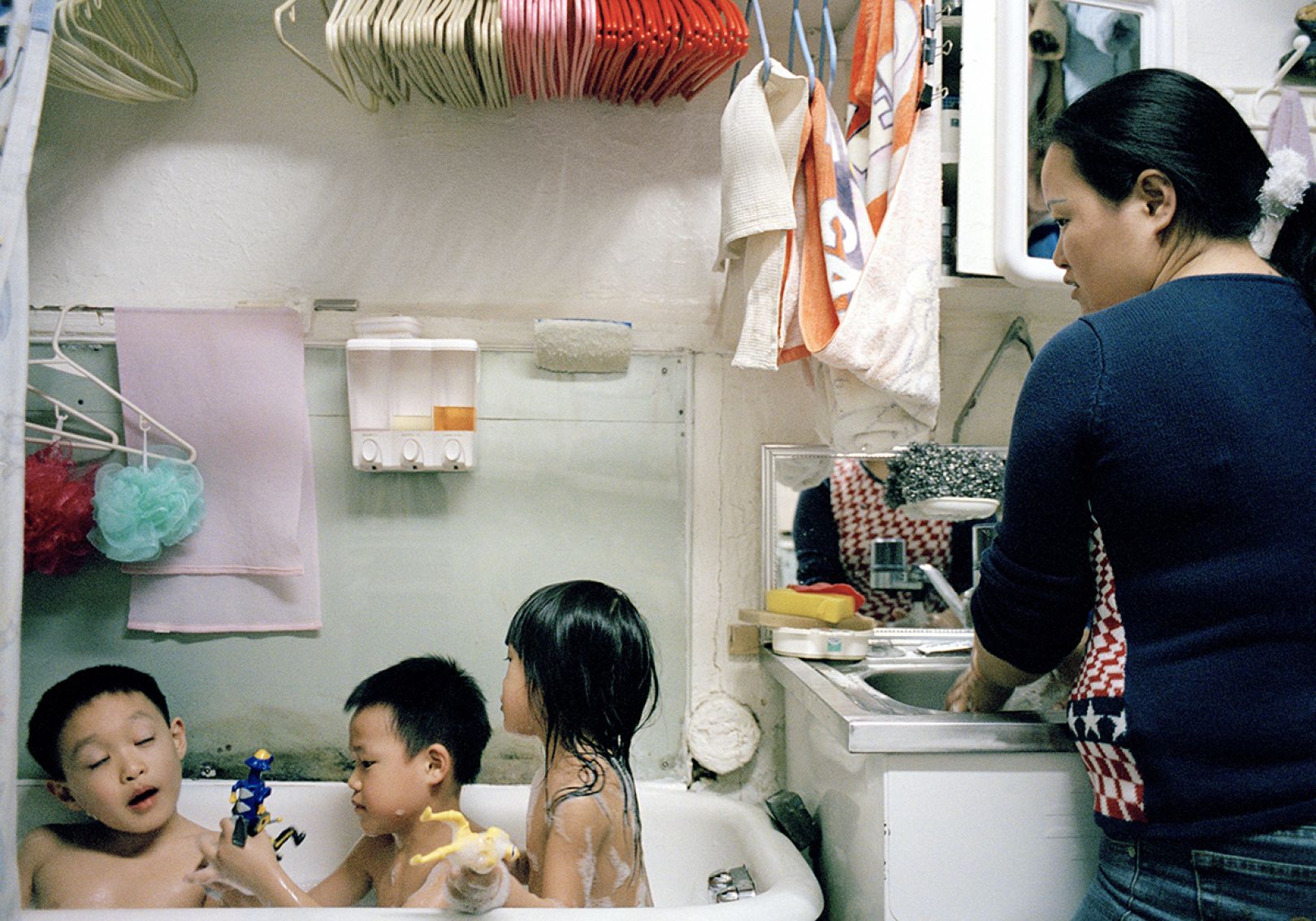
… i have seen this work a number of times on my Feedly feed… it is an exceptional series documenting a Chinese American family living in a tiny apartment on Ludlow Street… five people in 350 SF… i can’t imagine, the chaos, the constant being on top of one another, how do they do it?… we are told the marriage does not survive, hard to know if it’s the quarters or just a relationship that follows the course of half of all marriages in the US… i match that statistic, being on my second marriage… i wonder too, how do the children view growing up like this?… we can find some of their views at the virtual exhibit

The Lams of Ludlow Street, Thomas Holton

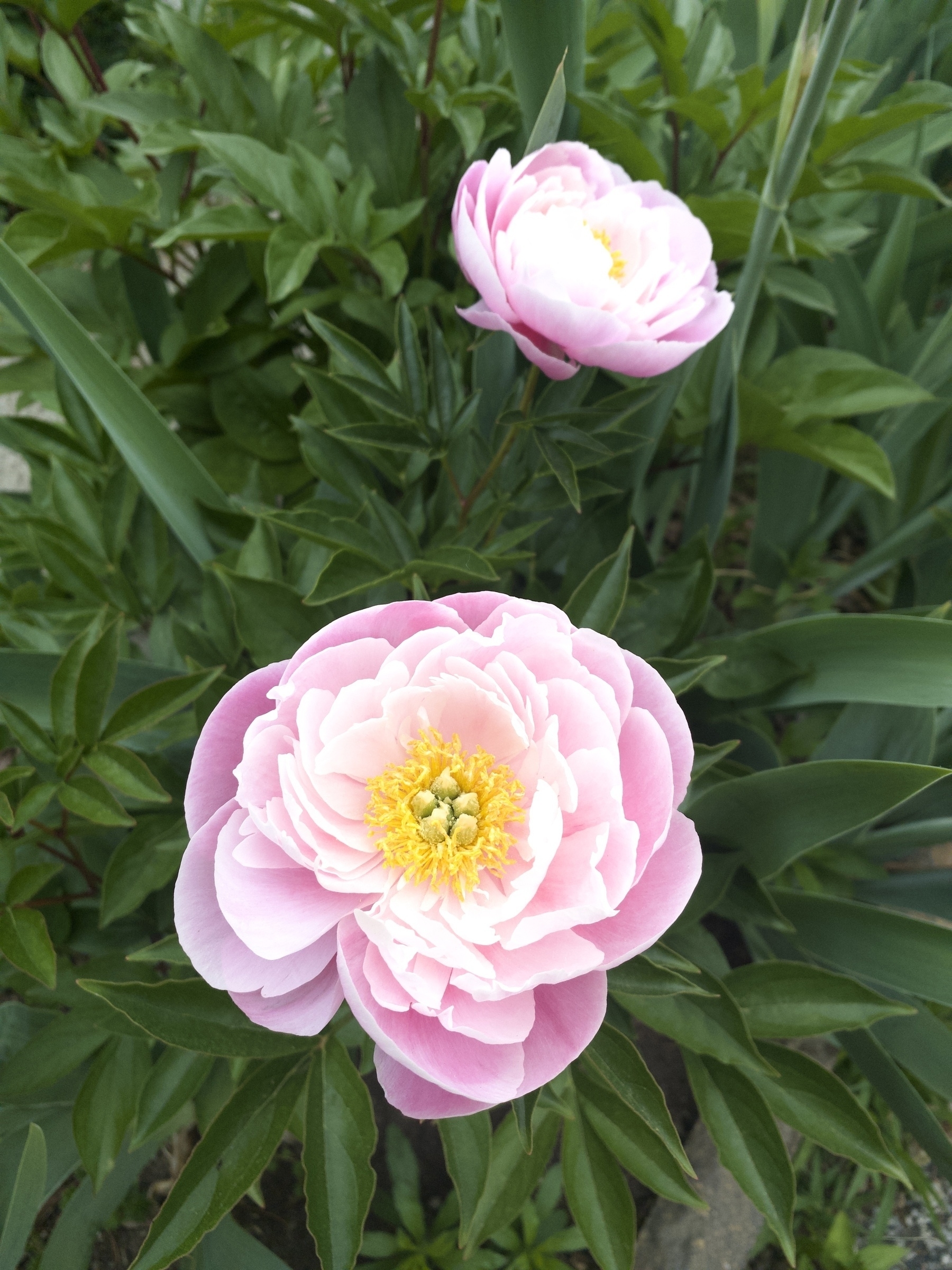
02 Xuebing Du, Flower Photography

… i had an internal debate about sharing this photographic work, it isn’t what I normally glom onto… i make natural light flower blossom photos, but mostly turn them to black and white… also, i like a little intellectual content to photo projects, this seems more straightforward appreciation of beauty in nature, still, there is something about the softness of these images, they almost seem computer generated, is that a good thin?, i don’t know…

Xuebing Du, via Colossal

… i find her instagram account, that she is a her was not apparent until i got there… she has 28.5k followers and is only following 733, enviable fellowship stats if you are into that sort of thing… i try not to be but don’t always succeed…

04 Guilherme da Silva

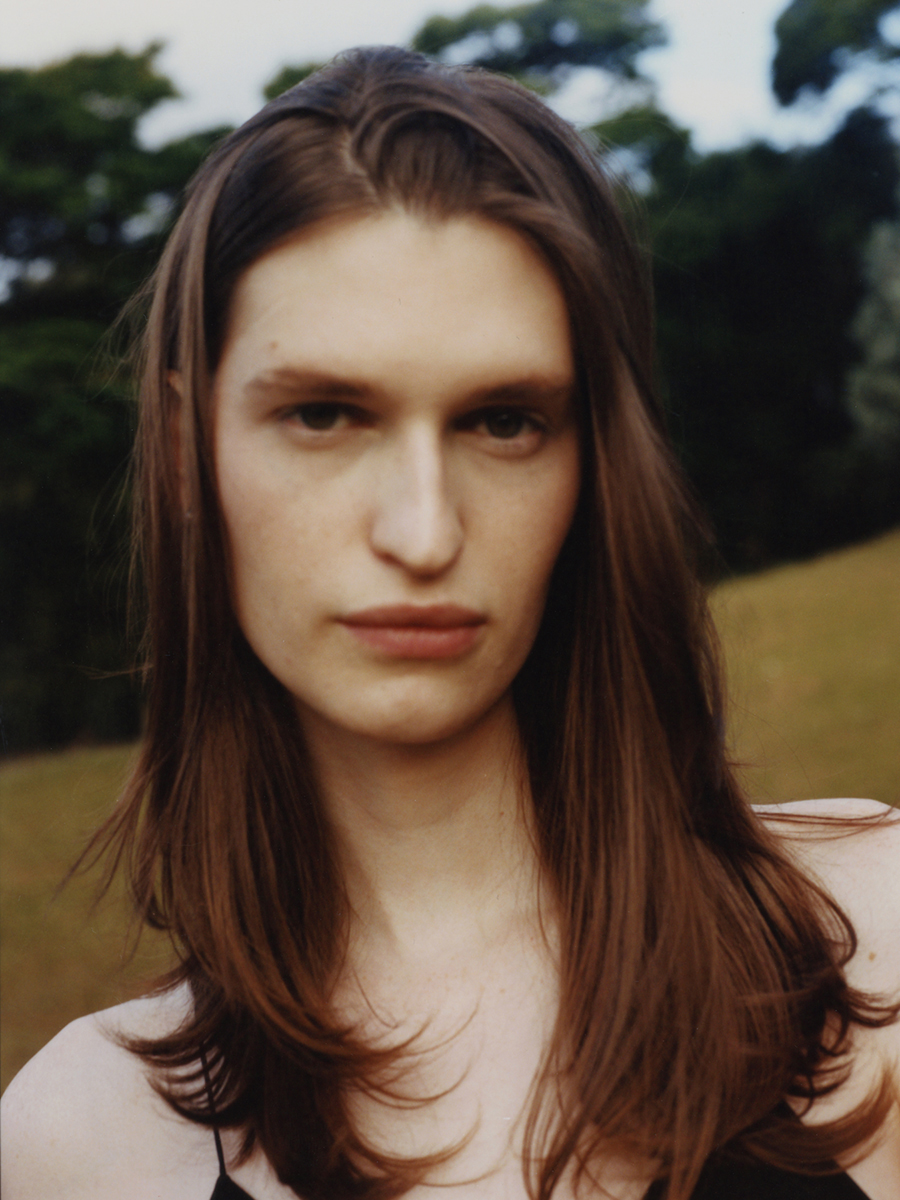
… this portrait photograph by Guilherme da Silva astonishes me, such a unique individual, captured really well…

05 Marvel Harris wins MACK First Book Award 2021

Inner Journey is a raw and introspective portrayal of Harris’ experience as an autistic, non-binary, transgender artist, tracing their struggles with mental illness, self-love and gender identity1

… on the one hand, i am sympathetic, empathetic, struggle at the fringes of acceptable societal behavior sucks… on the other hand, i grow weary of self-centered trauma art projects bringing home the bacon… it is important attention, but is it the attention of a society that loves train wrecks, or a society ready to change?… contrast with the trauma Laia Abril chronicles in her ongoing project A History of Misogyny… is the photography good?… its hard to tell, the story dominates… i hope Marvel Harris finds peace in their life and that LGBTQ+ people find ever increasing acceptance in the world…


  1. Marigold Warner: https://www.1854.photography/2021/05/marvel-harris-wins-mack-first-book-award-2021/ ↩︎